
CasualNew
Zombie Coin Rush
Coins keep a combo alive for three seconds each. Break the chain and the multiplier is gone.
Latest additions
Every game on the site ordered by the date it was actually published — newest first. These are real publication dates from our content records, not a rotating "new" badge.
Coins keep a combo alive for three seconds each. Break the chain and the multiplier is gone.

One zombie. It never stops, never loses you, and gets faster every checkpoint you reach.

No lanes. Free vertical movement through a service tunnel that keeps getting narrower.

The lights fail on a schedule you cannot stop. Reach a generator before the dark arrives — or survive it blind.
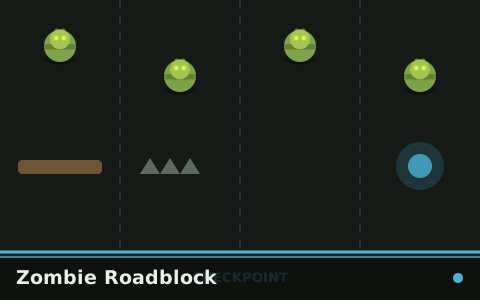
Zombies advance down four lanes toward a checkpoint. You have obstacles, a budget and no direct control.
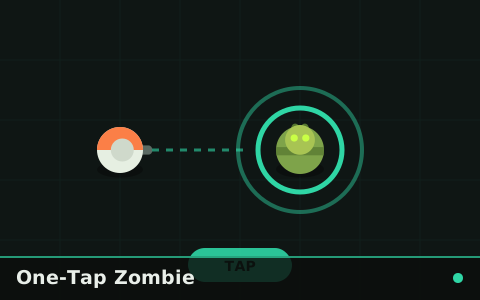
One button, one job: strike at exactly the right moment. Miss twice and it is over.

Rooftop to rooftop above a flooded street. Variable gaps, variable heights, one jump button.

Proximity infects you, not contact. Collect samples, then reach a safe zone before the meter fills.
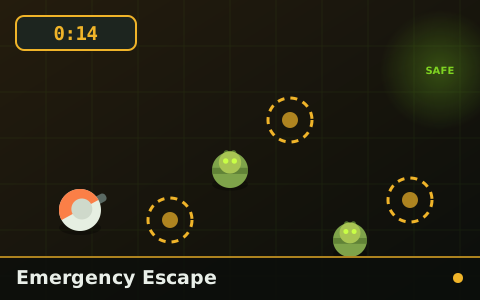
A countdown that only checkpoints can extend. Reach the safe zone or run out of clock trying.

Our flagship title. Three stages that each change the rules: clear the streets, hold the depot, reach extraction.

Three lanes, no jumping, and obstacle patterns that arrive at the edge of what anyone can react to.

Four entry points, one of you, and a boarding action that takes exactly long enough to be a problem.

Side-on sprint through a stylised graveyard. Jump the headstones, duck the branches, reach the gate.

Clear a round, pick an upgrade, go again. Small arena, escalating rounds, choices that compound.

Ninety seconds to gather as many supply crates as you can while the streets fill up behind you.

Dozens of small, fast infected and one repel pulse on a cooldown. Crowd control, not marksmanship.
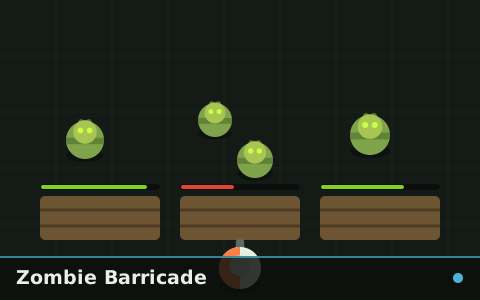
Three barricade sections, a hammer, a gun and never enough time to use both properly.

Every zombie shows how long until it reaches you. Shoot the right one or nothing else matters.

Four lanes of ruined highway, a fuel gauge and obstacles arriving faster than you would like.
A torch beam, a draining battery and everything outside the cone is a guess.

A city block you cannot see all of, two keycards you have to find, and one exit that only opens with both.

Sixty seconds, no movement, pure aim. Hit targets before they drop and keep your accuracy above the line.
One rule: do not get touched. Waves of zombies cross the screen in patterns you can learn.

A melee swing with a real cooldown, an arena with no exits, and waves that stop being survivable politely.
Endless side-scrolling sprint. Jump, slide, grab supplies and keep ahead of a horde that never tires.

You cannot run. Rotate, fire and hold a single position against formations that advance from the dark.

A generator in the middle of the map, zombies that want it more than they want you, and one of you.
No weapon, no cover, no plan but movement. Zombies come from every edge and only get faster.
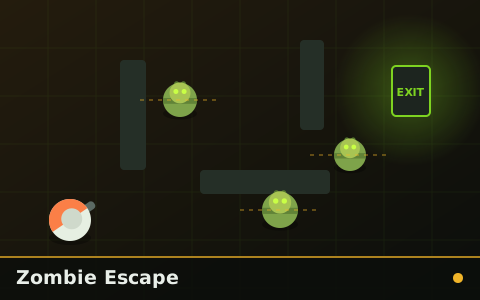
Find the exit, avoid the patrols, do not take the obvious route. Levels get denser, not bigger.

Top-down arena shooter with waves, reloads and a magazine that always runs dry at the worst moment.
Games get balance changes when playtesting shows a problem — a difficulty spike, a control that does not read clearly, an enemy type arriving too early. When that happens the game page and any guide that quoted the old numbers are both revised.
The site's architecture is built so adding a game means adding one folder, one metadata record and one thumbnail — everything else, from the category pages to the sitemap to the search index, updates automatically. That is deliberate: the library is designed to scale well past thirty titles.
Our guide on designing a balanced zombie arcade game describes the process each new title goes through before it appears here.